Bromley High Street Antique Move: Case Study
Moving antiques is never just another job. A heavy sideboard with a scratched back panel, a mirror with a fragile gilt frame, a chair that wobbles if you look at it wrong, these things need more than muscle. They need judgement, patience, and a proper plan. That is exactly why the Bromley High Street Antique Move: Case Study is useful: it shows what careful planning looks like when valuable, awkward, and often sentimental items have to be moved without drama.
In a busy high street setting, the pressure rises quickly. Access can be tight, loading may be limited, and the wrong handling technique can turn a routine move into a costly headache. This article breaks down how an antique move of this kind works, what makes it different, where the real risks sit, and how to approach it sensibly. If you are planning a move on or around Bromley High Street, or you simply want to understand how specialist removals are handled in the real world, you are in the right place.
There is a practical side to all this, of course. But there is also an emotional one. People do not usually move antiques for fun; they move them because the items matter. That changes the whole job.
Why Bromley High Street Antique Move: Case Study Matters
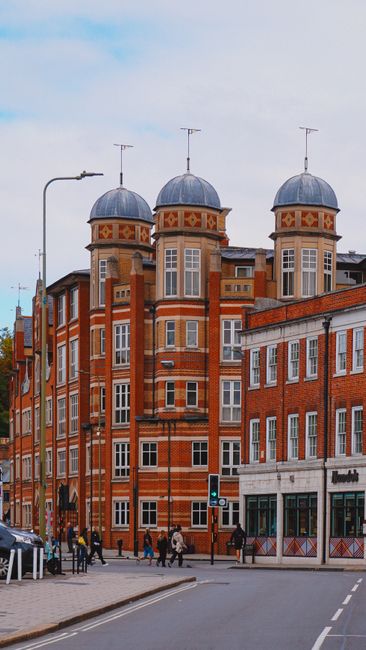
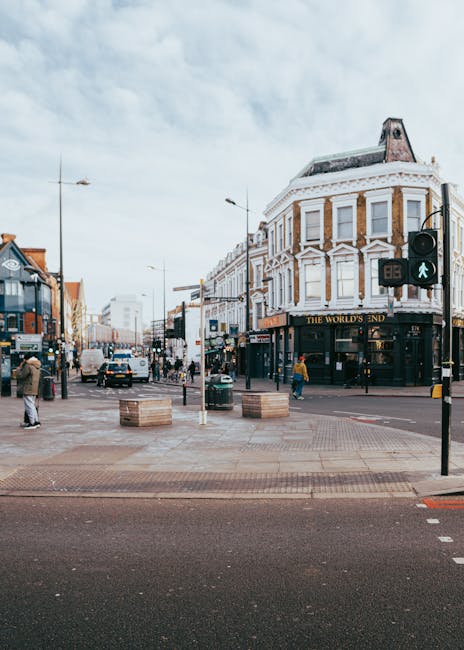
A move involving antiques is about more than getting from A to B. It is about preserving condition, provenance, and value while working within the realities of a London high street. Bromley High Street, like many town-centre locations, brings its own challenges: pedestrian flow, shopfront access, parking constraints, and the usual awkwardness that comes with trying to move bulky items through a place not designed for easy lifting.
That is why this case study matters. It reflects a type of move that sits somewhere between domestic removals and specialist handling. Antiques may be irreplaceable, and even small damage can affect both appearance and value. A tiny chip on a veneered edge, a scuff on a French-polished surface, or a loose joint exposed by poor lifting can change the outcome quite a bit.
There is also the question of trust. If you are handing over a family piece, a collector's item, or stock from a shop, you need confidence that the mover understands what they are dealing with. Not every removal job calls for white gloves and detailed condition checks, but an antique move often does call for exactly that sort of care. To be fair, it is the difference between "we moved it" and "we protected it properly".
Local context matters too. High street moves often need timing discipline, route awareness, and a bit of common sense around neighbours, traffic, and premises opening hours. That can sound mundane, but it is usually where successful moves are won or lost. The best outcomes come from planning the small details before a single item is lifted.
How Bromley High Street Antique Move: Case Study Works
At a practical level, an antique move usually starts long before the van arrives. The job is typically broken into a few stages: assessment, packing, protection, loading, transport, and placement at the destination. Each stage sounds straightforward, but antiques have a habit of introducing little complications. A drawer may slide open, a frame may flex, or a cabinet may need to come apart before it can be moved safely. That is normal. The trick is anticipating it.
A well-run antique move begins with a walkthrough or detailed conversation. The mover needs to know what is being moved, how delicate it is, whether it has fixed glass, loose fittings, uneven weight distribution, or any restoration history that affects handling. A piece that looks sturdy may actually be more vulnerable than it appears. Old glue, aged veneers, and hidden movement in joints can all become problems if the item is lifted carelessly.
Then comes packing. Specialist wrapping materials are used to cushion surfaces and reduce vibration damage. That might include quilted blankets, acid-free tissue for sensitive finishes, foam, corrugated protection, and custom crates for especially fragile items. It is not about overpacking everything until it resembles a bundle of laundry. It is about matching the protection to the object.
Transport planning matters just as much. The route into and out of the property, access width, stairs, door clearance, and parking arrangements all influence the method. On a busy high street, timing can be just as important as technique. A short window with quiet loading conditions can make the difference between a calm move and a frazzled one. And yes, nobody needs a scratched console table because someone rushed the handover while a delivery van blocked half the pavement.
Key Benefits and Practical Advantages
The main benefit of a specialist antique move is simple: it reduces avoidable risk. But there are several more practical advantages that are worth spelling out clearly.
- Better protection for delicate finishes - polished wood, glass, gilt frames, and decorative surfaces are less likely to suffer damage when handled with the right materials.
- Lower chance of structural damage - careful lifting reduces stress on joints, legs, handles, and internal fixings.
- Safer movement through awkward spaces - stairwells, narrow hallways, and tight shop entrances are managed with more control.
- More predictable timing - a proper plan usually means fewer delays, fewer last-minute surprises, and less standing about wondering what happens next.
- Reduced emotional stress - when items are valuable or sentimental, seeing them handled professionally is a genuine relief.
- Improved outcomes for resale or display - antiques that arrive in the same condition they left in are easier to sell, insure, or present.
There is another advantage people sometimes miss: a good move can preserve information about the item itself. Labels, previous repairs, original fittings, and finish details should not be lost in the shuffle. In a proper handling process, those details stay attached to the piece, not floating off somewhere under a blanket in the back of a van.
For businesses, this is especially important. Shop owners and dealers need items delivered ready for immediate display or storage, not needing unexpected repair work first. For private owners, the benefit is peace of mind. Truth be told, that can be worth a lot.
Who This Is For and When It Makes Sense
This kind of move makes sense for a few different people, and the needs are not always the same.
Private homeowners may need help moving inherited furniture, artwork, mirrors, clocks, or display cabinets. In that setting, the value is often part financial, part sentimental. You may not need a full house move, but you still need specialist care for one or two objects that matter enormously.
Antique dealers and shop owners often need fast, careful handling with minimal disruption. A move on or near Bromley High Street may involve shopfront access, short loading periods, or coordination around trading hours. For them, speed matters, but not at the expense of finish or safety.
Collectors usually want a method that treats each item individually rather than as generic furniture. If a piece has documentation, condition notes, or a known restoration history, that needs to inform how it is packed and moved.
Interior designers and staging professionals may also benefit from specialist antique handling when items are being placed in show homes, commercial settings, or photo-ready spaces. Nothing spoils a polished room quite like a damaged console arriving five minutes before the photographer. Ask anyone who has had that panic moment, not fun.
It makes sense whenever the item is fragile, unusual, high-value, or hard to replace. It also makes sense when access is awkward. If stairs, kerbs, limited parking, or restricted loading are in the mix, a standard lift-and-go approach is rarely enough.
Step-by-Step Guidance
If you want the process to go smoothly, it helps to break it down into sensible stages. Here is a straightforward way to think about it.
- List every item clearly. Write down what is moving, including dimensions if possible, and note any visible damage before the move begins.
- Flag the fragile points. Handles, glass panes, loose veneers, drawers, legs, mirrors, and decorative trim should be highlighted early.
- Check access at both ends. Measure doors, stair turns, and lift access. High street buildings often have tight entry points, and that can change the handling method.
- Plan the timing. Avoid peak pedestrian periods where possible. A quieter loading window often makes the whole job calmer.
- Select the right packing method. Some pieces only need protective wrapping, while others need disassembly or custom crating.
- Prepare the route. Clear surfaces, remove trip hazards, and make sure there is space for safe lifting.
- Move with controlled handling. No dragging, no sudden turns, no improvising with a corner that looks "probably fine".
- Inspect on arrival. Check condition, fixings, and placement before the crew leaves. If something has shifted, catch it early.
That list sounds neat on paper, and mostly it is. Real life does throw in the odd complication. A door catches, a stair landing is tighter than expected, or a table leg that looked solid turns out to be only pretending. The point is not to eliminate every uncertainty. It is to reduce the number of surprises.
One useful habit is to take photographs before loading. Even simple phone pictures can be a helpful reference for condition and orientation. They are not dramatic, just useful. And useful wins the day more often than fancy does.
Expert Tips for Better Results
There are a few habits that make a noticeable difference in antique moving jobs, especially in busy local environments.
First, handle by structure, not decoration. That sounds obvious, but in practice people still grip carved edges, decorative handles, or thin mouldings because they are the easiest thing to hold. They are also often the weakest point. Lift from the strongest structural areas wherever possible.
Second, keep surfaces separate. Antiques can rub against one another in transit, and soft finishes are vulnerable to even light contact. Separating items with blankets, padding, or partitions reduces the chance of scuffs and pressure marks.
Third, label everything. It is surprisingly easy to lose track of which shelf belongs to which cabinet, or which mirror fixing came from where. A few small labels can save a great deal of fiddling later.
Fourth, allow more time than you think you need. Antique moves almost always benefit from a slower pace. Rushing is where damage tends to creep in. If the schedule feels tight, build in a cushion. Then build in another one, just in case.
Fifth, use a cautious approach with old finishes. Polish, wax, shellac, and aged paint surfaces can react badly to harsh chemicals or aggressive abrasion. Gentle cleaning only, unless a conservation professional advises otherwise.
Here is a small but important point: if an item is especially fragile, ask for the handling plan in plain language. How will it be lifted? Will it be disassembled? What will be wrapped first? A confident mover should be able to explain this clearly. If they cannot, that is a bit of a red flag, honestly.
Common Mistakes to Avoid
Antique moves usually go wrong in familiar ways. Knowing those mistakes in advance can save a lot of trouble.
- Underestimating the item's weight or fragility. A piece may look manageable but still be difficult to balance or surprisingly delicate.
- Failing to measure access properly. "It should fit" is not a plan. Measure the doorway, the stair turn, and the final landing space.
- Using the wrong packing materials. Tape directly on a finish, rough blankets, or loose wrapping can all cause damage.
- Rushing the loading stage. This is where small knocks happen. One moment of haste can undo good preparation.
- Ignoring weather and street conditions. Wet pavements, low light, and busy foot traffic all increase risk.
- Not documenting condition beforehand. Without a clear record, it becomes much harder to distinguish pre-existing wear from transit damage.
- Forgetting dismantled parts. Loose shelves, glass inserts, fixings, or feet can easily go missing if not packed and labelled carefully.
One more mistake, and this is a common one: assuming all antiques are handled the same way. They are not. A Victorian wardrobe, a Regency chair, a framed mirror, and a lacquered cabinet each have different weak points. The safest move is the one that treats them as individuals, not as generic furniture with a bit of age on it.
Tools, Resources and Recommendations
You do not need a van full of fancy gadgets to complete a careful antique move, but the right kit does help. The following items are commonly useful in specialist handling:
- quilted furniture blankets
- stretch wrap used carefully and never directly on sensitive surfaces
- foam edge protectors
- corner guards
- strong, clean packing tape for outer wrapping only
- labels and marker pens
- moving straps or specialist lifting aids
- sliders or dollies where appropriate
- glass protection materials for framed or glazed items
Useful preparation resources are often simple. A basic inventory sheet, a condition checklist, and a room-by-room plan can be more valuable than complicated software. Keep it practical. If a tool slows you down instead of helping, it is probably not the right tool for this job.
For more general moving context, it can also help to read broader guidance on removals planning and moving support and the company's approach to careful packing for fragile items. Those pages can give you a better sense of how a wider move is organised alongside specialist handling. Use them as background, not a substitute for an item-specific plan.
If the move includes storage, overflow furniture, or a later delivery date, it is sensible to understand the handover and holding process too. A move that looks simple on the calendar can become fiddly if timing is not coordinated properly.
Law, Compliance, Standards, or Best Practice
For antique moves in the UK, the key compliance point is less about one single rule and more about working safely, responsibly, and with proper care. The exact requirements depend on the property, the vehicle, the access route, and the nature of the items being moved.
Good practice usually includes the following:
- Safe manual handling - loads should be assessed properly to reduce injury risk and item damage.
- Clear access management - stairs, kerbs, and public walkways should be considered before the move begins.
- Proper insurance awareness - both mover and customer should understand what is covered and what is not.
- Condition recording - documentation helps protect everyone if questions arise later.
- Careful handling of fragile or valuable goods - this is basic good practice, not a luxury.
Where a business move is involved, there may also be practical considerations around premises access, trading hours, and occupier responsibilities. On a high street, you do not want to discover at the kerbside that nobody checked the loading restrictions. It happens more often than you might think, and it is deeply irritating.
If you are dealing with very old, rare, or conservation-sensitive objects, it may be sensible to involve a specialist conservator for advice before moving. That is not overkill. In fact, it can be the sensible thing to do when an item has fragile finishes, historic repairs, or significant monetary value.
Options, Methods, or Comparison Table
Not every antique move needs the same level of service. The right method depends on value, fragility, access, and timing. Here is a simple comparison that may help.
| Method | Best for | Advantages | Limitations |
|---|---|---|---|
| Standard furniture move | Heavier, sturdier antiques with limited fragility | Quick, cost-effective, straightforward | May not suit delicate finishes or complex access |
| Specialist antique handling | High-value, fragile, or awkward pieces | More careful packing, better protection, improved control | Usually takes longer and may cost more |
| Custom crating | Very fragile, unusually shaped, or irreplaceable items | Excellent protection in transit | Requires more preparation and space |
| Partial dismantling | Large pieces with removable parts | Eases access and reduces strain on joints | Needs accurate reassembly and part tracking |
In practice, the best option is often a mix of methods. A mirror may need one type of protection, a cabinet another, and a chair something simpler. That is normal. One-size-fits-all rarely fits antique work very well.
Case Study or Real-World Example
Here is a realistic example based on the kind of move this topic describes, without dressing it up more than necessary.
A customer on or near Bromley High Street needed several antique items moved from a property with tight internal access. The items included a sideboard, a display cabinet, a framed mirror, and a pair of chairs. None of them were impossible on their own, but together they required coordination. The entrance was narrow, the stair turn was awkward, and the street outside was busy enough that loading had to be handled with care.
The first step was a simple but thorough review of the items. The sideboard had a decorative front and a slightly delicate veneer. The cabinet needed its glass and shelving secured. The mirror was light enough to lift but vulnerable to edge damage. The chairs looked easy until you noticed the joints, which had seen better days. Familiar story, really.
The move plan was adjusted accordingly. Protective blankets were used on the larger furniture. Fragile surfaces were isolated from one another. Loose parts were labelled and packed separately. The loading was timed for a quieter period so that the pavement remained manageable and the crew could work without constant interruptions.
What made the move successful was not some miracle technique. It was discipline. The team moved slowly, checked each item before and after handling, and kept the process tidy. No heroics. No strange shortcuts. Just careful work done in the right order.
The outcome was exactly what it should have been: the items arrived intact, the customer did not have to chase down missing fittings, and the whole thing felt controlled rather than chaotic. That might sound ordinary, but in specialist moving, ordinary is often the best possible result.
Practical Checklist
Before moving antique items, run through this checklist. It is simple, but it catches a lot.
- Have all items been listed and photographed?
- Are there any cracks, loose joints, chips, or existing marks already noted?
- Have the access points been measured at both locations?
- Is there a clear plan for stairs, corners, and doorways?
- Have fragile surfaces been identified?
- Are the right packing materials ready?
- Have any loose parts been removed, labelled, and bagged?
- Is the loading time practical for the location?
- Has parking or stopping access been considered?
- Do the people involved know who is responsible for what?
- Has the final placement space been cleared?
- Will the items be checked again on arrival before the job is signed off?
Quick expert summary: the safest antique moves are the ones that treat preparation as part of the move, not as extra admin. That little shift in mindset changes everything. It keeps things calmer, protects the items, and saves time in the long run.
Conclusion
The Bromley High Street Antique Move: Case Study shows that specialist moving is about far more than transport. It is about preservation, planning, and respect for the objects themselves. When antiques are handled properly, they arrive not just intact, but ready for use, display, or storage without the stress that so often comes with rushed handling.
If you are planning a similar move, the best next step is to think carefully about the item list, access conditions, and the level of protection each piece needs. A few extra minutes spent planning can save hours later. And, let's face it, nobody wants to stare at a damaged finish and think, "We should have taken another ten minutes."
Get a free quote today and see how much you can save.
Good antique moving is quiet, careful work. When it is done well, you barely notice it happening - and that is exactly the point.
Frequently Asked Questions
What is included in a Bromley High Street antique move?
Typically, it includes careful assessment, protective packing, safe lifting, transport, and placement at the destination. Depending on the item, it may also include disassembly, wrapping of loose parts, and extra protection for glass or delicate finishes.
Why does moving antiques require more care than standard furniture?
Antiques often have fragile joints, aged finishes, delicate veneers, or sentimental value. Even minor knocks can affect appearance or structural integrity, so handling needs to be more controlled than with everyday furniture.
How do I know if my antique needs specialist packing?
If the item is fragile, high-value, awkwardly shaped, or has glass, carved detail, or loose components, specialist packing is usually sensible. If you are unsure, ask for an item-by-item review rather than guessing.
Is a high street location harder for antique removals?
Often, yes. High street access can involve narrow loading areas, foot traffic, parking restrictions, and timing pressures. That does not mean the move is difficult by default, but it does mean planning matters more.
Can antique furniture be dismantled before moving?
Sometimes it can, and sometimes it should be. Removable shelves, legs, mirrors, or cabinet sections may be taken apart to reduce risk and improve access. The key is to do it carefully and keep all fittings organised.
How far in advance should I plan an antique move?
As early as possible, especially if the item is valuable or access is awkward. A little planning time helps with measurements, packing materials, parking, and route checks. Last-minute moves tend to feel a bit messy, to be fair.
What should I photograph before the move?
Take clear pictures of the full item, close-ups of any existing damage, and details such as joints, corners, hinges, or glass panels. These images help with condition checks before and after the move.
What if my antique has existing damage?
Existing damage should be noted before the move. A damaged item may still be movable, but the handling plan should reflect that weakness. Transparency is important here, because hidden issues can become worse during transport.
Do I need insurance for an antique move?
It is wise to understand what cover is in place before the move begins. The exact terms vary, so check them carefully. For valuable items, clear insurance awareness is one of those boring-but-essential tasks that really does matter.
How long does an antique move usually take?
That depends on the number of items, access conditions, packing needs, and distance. A single fragile piece can still take a surprising amount of time if it needs special handling. Speed should never be the main goal.
What is the biggest mistake people make with antique moves?
The biggest mistake is usually underestimating the item or rushing the process. People assume the piece will behave like ordinary furniture, and that is where scratches, pressure damage, or broken fittings often start.
When should I get professional help instead of moving antiques myself?
If the item is valuable, sentimental, fragile, heavy, or difficult to access, professional help is usually the sensible option. It is especially worth considering when stairs, tight doorways, or street loading are involved.