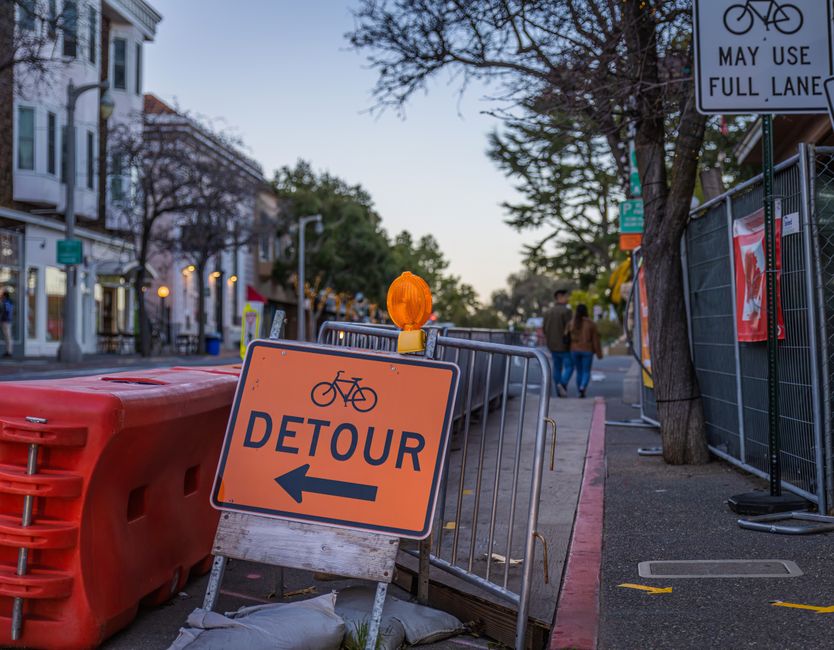
Street Closure Permits for Bromley Moves: BR2-BR4 Guide
If you are planning a move in Bromley and your street is narrow, busy, or awkward for parking, the paperwork can matter just as much as the packing. Street Closure Permits for Bromley Moves: BR2-BR4 Guide is here to help you understand when a permit may be needed, what the process usually involves, and how to avoid the last-minute panic that so often comes with moving day. In BR2, BR3, and BR4, a small parking issue can snowball fast: the van arrives, neighbours are home, a car blocks the kerb, and suddenly the whole schedule is wobbling. Not ideal, truth be told.
This guide breaks everything down in plain English. You will see how street closure permissions differ from parking suspensions or bay restrictions, why they matter for house moves and office relocations, and how to plan with a bit more confidence. If you are arranging a home move, a home removal service, or even a larger commercial relocation, this is the kind of detail that saves time, stress, and a few unnecessary phone calls.
One quick note before we get into it: local rules and processes can change, and councils can interpret works or access arrangements differently depending on the street. So use this as a practical guide, not legal advice. If you need a hand coordinating the logistics, services such as man and van support or a moving truck can make planning much easier once access is sorted.
Table of Contents
- Why this matters for Bromley moves
- How street closure permits usually work
- Key benefits and practical advantages
- Who needs this and when it makes sense
- Step-by-step guidance
- Expert tips for better results
- Common mistakes to avoid
- Tools, resources and recommendations
- Law, compliance and best practice
- Options and comparison table
- Real-world example
- Practical checklist
- Conclusion
- Frequently asked questions
Why Street Closure Permits for Bromley Moves: BR2-BR4 Guide Matters
Moving day is already busy enough without trying to negotiate a blocked road, a confused neighbour, or a van that cannot get near the front door. In BR2-BR4, many residential streets are not designed for oversized vehicles, long loading times, or repeated trips with furniture. That is where street closure permits, parking suspensions, and related access permissions come in.
The point is not just to make life easier. It is to keep the move safe and orderly. A clear stretch of road reduces the chance of damage to vehicles, dropped items, and rushed lifting in tight spaces. It also reduces the kind of awkward standoff nobody wants at 8:30 in the morning when the kettle is packed and the cat has vanished under the bed. Let's face it, the day is already emotional enough.
For some moves, a permit may not be a full street closure in the literal sense. In practice, people often mean permission to reserve space, suspend parking, or temporarily control access so a removal vehicle can work. That distinction matters. A full closure is a much bigger intervention than a short-term parking restriction, and the exact wording used by the authority or contractor can affect what you need to arrange.
If your move involves larger vehicles or a commercial property, the stakes are even higher. A poorly planned access setup can delay loading, increase costs, and create avoidable risk. For that reason, people arranging commercial moves or office relocation services should think about road access early, not as an afterthought once the boxes are already stacked by the door.
Practical takeaway: In a dense part of Bromley, access planning is not a minor detail. It is part of the move itself.
How Street Closure Permits for Bromley Moves: BR2-BR4 Guide Works
The exact process depends on the road, the scale of the move, and who manages the space. In many cases, you are dealing with one of three broad scenarios:
- Parking suspension or bay suspension for a removal van or truck.
- Temporary access control where a section of road needs to stay clear.
- Full street closure for unusual circumstances, major works, or highly constrained access.
For a standard house move, a full street closure is often unnecessary. More commonly, a suspension or advance parking arrangement is enough. The key is to match the permission to the actual need. Too little, and the van cannot park. Too much, and you may be managing a level of restriction that is unnecessary and harder to organise.
In practice, the moving company usually needs to know:
- the date and approximate time of arrival
- the property address and postcode
- the width of the street and whether parking is normally available
- the type and size of vehicle being used
- whether access is needed for one load or several trips
- any local constraints such as school traffic, narrow corners, or permit zones
That is why services like man with van support or removal truck hire can be a better fit than trying to improvise on the day. Once the vehicle size is known, it becomes much easier to judge whether a street arrangement is needed at all.
You should also think about timing. Morning arrivals can be smoother in some streets because the road is quieter. On the other hand, if a street is busy with commuters, school runs, or repeated short-stay parking, an afternoon slot may be a nightmare. Not always. But often enough to matter.
What usually happens before moving day
Usually, someone checks the route, the front of the property, and any nearby parking restrictions. Then they decide whether a permit, suspension, or traffic management arrangement is required. If the move is complex, the planning stage may also include choosing a smaller vehicle for a tighter road, splitting the load, or adding extra packers to reduce time on site.
For fragile or time-sensitive moves, pairing the access plan with packing and unpacking services can help keep the process tidy. Less faffing around outside the house, fewer door-open moments, less chance of someone standing in the rain wondering where the mattress has gone. Small thing, big difference.
Key Benefits and Practical Advantages
The biggest benefit of arranging street access properly is simple: the move runs more smoothly. But there are a few more practical advantages worth calling out.
- Better vehicle access: the removal team can park closer, which reduces carrying distance.
- Faster loading and unloading: less time spent shuttling items up and down the pavement.
- Lower risk of damage: fewer awkward lifts, less congestion, fewer rushed corners.
- Improved neighbour relations: a controlled arrangement feels more considerate than blocking the road without warning.
- Less stress for you: you spend less time trying to solve problems on the pavement while the clock ticks.
There is also a subtle but important benefit: predictability. On moving day, predictability is gold. If the van has a known place to stand, the crew can work in a proper rhythm. You will notice the difference almost immediately. Doors stop swinging open and shut. Boxes move in a more orderly way. The whole thing feels less like chaos and more like a plan.
For businesses, the upside can be even bigger. A street access plan may help reduce disruption to staff, customers, deliveries, and neighbours. If you are moving an office or shop unit, a good logistics setup often makes the difference between a clean transfer and a messy afternoon of blocked entrances and apologetic phone calls.
And yes, there is a commercial angle too. When access is secure and time is used well, you are less likely to pay for wasted hours. A better-planned move can protect the budget, even if the permit itself adds another step.
Who This Is For and When It Makes Sense
This guide is most useful if you are moving in or around BR2, BR3, or BR4 and any of the following apply:
- your road is narrow or has limited passing space
- parking is already heavily controlled or frequently occupied
- the property is on a terrace, side street, or busy residential road
- you need a larger van or lorry to get close to the property
- you are moving furniture only, but the items are bulky or heavy
- you are relocating a business and need loading access for multiple people
This is also relevant if you are dealing with awkward items such as wardrobes, sofas, or appliances. In those cases, moving far from the vehicle is not just tiring; it slows everything down and increases the chance of knocking walls, stair rails, or door frames. A simple access arrangement can make the day far calmer.
If the job is smaller, a compact vehicle may be enough. A lightweight van can sometimes avoid the need for formal space management altogether. That is why a furniture pick-up or a smaller local move can often be handled with a lighter setup, while a larger family move may call for a more structured parking plan.
To be fair, not every move in Bromley needs a permit conversation. But if you are even slightly unsure, it is worth checking early. A 10-minute review now is much easier than a 10:00 a.m. scramble later.
Step-by-Step Guidance
Here is a practical way to approach street closure or access permissions for a Bromley move without overcomplicating things.
- Assess the street first. Look at how vehicles currently park, whether there are yellow lines, and whether a removal vehicle can reasonably stop near the property.
- Measure the practical access. Not just the width of the road, but the space available once parked cars are present. A road that looks fine on paper may feel very tight in real life.
- Confirm the vehicle type. A man-and-van setup has different access needs from a larger removal truck.
- Decide what kind of permission is actually needed. Parking suspension, reserved loading space, or a fuller traffic arrangement are not the same thing.
- Build the move schedule around the access plan. Start times, crew size, and load order should all reflect the time window available.
- Communicate with neighbours where sensible. A polite note or advance heads-up can prevent awkwardness later.
- Keep the front clear on the day. Wheelie bins, bikes, and random plant pots have a habit of appearing at exactly the wrong time.
One small but often overlooked point: loading order matters. If the largest items are going first, they should be near the exit and easy to reach. If the van is only parked for a limited window, the crew should not be searching through a maze of boxes for the kettle or the sofa cushion. Obvious, yes. But on moving day, obvious things are the ones people forget.
If your move is part of a broader relocation, it can help to combine access planning with the right vehicle and packing support. For example, a family moving house may use house removalists plus a vehicle sized to match the street, while a business may lean more toward a coordinated office relocation. Different job, different rhythm.
Expert Tips for Better Results
After enough moves, a few patterns become very clear. The smoothest jobs are rarely the ones with the fanciest kit. They are the ones where the boring details were handled early.
- Choose the smallest practical vehicle. Bigger is not always better if the street is tight. A smaller truck can be the smarter option.
- Plan for the real arrival time, not the ideal one. Traffic, loading, and the occasional wrong turn happen. Build in a bit of breathing room.
- Keep the access route clean. Remove clutter, plan where boxes will wait, and avoid placing items where they block the pavement.
- Label heavy or awkward items clearly. This saves effort when the crew is moving quickly.
- Make one person responsible for decisions. Too many voices on the kerb can slow things down fast.
Another tip, and this one is easy to miss: check whether your building or street has regular bottlenecks. A school gate nearby, a bin collection time, or a market day can change the whole feel of the street. Sometimes a perfectly sensible moving slot becomes a headache because everyone else is trying to be somewhere else at exactly the same time. Life, eh?
If you are moving office equipment, filing, or larger furniture, extra planning becomes even more useful. A crew handling commercial relocation work can often advise on whether a small van, a larger truck, or a staged load is the better choice. That kind of judgement is worth more than it sounds.
Common Mistakes to Avoid
Most access problems are avoidable. The trouble is that people tend to notice them late. Here are the mistakes that crop up most often.
- Leaving permit planning until the week of the move. That is cutting it fine, and sometimes far too fine.
- Assuming a van can stop anywhere. In reality, road layout, local restrictions, and neighbour parking can quickly get in the way.
- Booking the wrong size vehicle. A smaller van may mean more trips; a larger truck may not fit properly.
- Not telling the removal team about access issues. If they do not know, they cannot plan for it.
- Ignoring temporary obstructions. Building works, scaffolding, and parked delivery vans can all change access on the day.
- Forgetting the unloading side too. People often plan the departure address and overlook the destination street.
One very common slip is treating the permit as a formality rather than a scheduling tool. The reality is more practical. If the parking space is not there when the crew arrives, everything gets slower. Fast work turns into cautious work. Cautious work turns into stress. And then everyone is watching the clock. Not a fun afternoon.
If your move is mainly household items, home moves with proper packing and a sensible vehicle choice usually avoid a lot of this pain. That said, the minute a street becomes tight, the access conversation returns.
Tools, Resources and Recommendations
You do not need a complicated toolkit to manage this well. A few simple things help enormously:
- Phone photos of the street so the move planner can see kerb space, restrictions, and any awkward bends.
- A basic floor plan or room list if you want to estimate loading time more accurately.
- A notes app or checklist to track access details, parking concerns, and arrival windows.
- High-visibility labels or tape if you need to separate items quickly.
- Strong packing materials if you want to reduce handling time and keep items safer in transit.
For heavier jobs, a combined approach works best. A well-sized vehicle, reliable packing help, and a loading plan are far more effective together than one big decision made at the last minute. If you need a vehicle without overcommitting to size, man with van support is often a sensible middle ground. If the move is larger, removal truck hire can make more sense, provided the street can handle it.
If you want to understand who is behind the practical help and how the business positions itself, the about us page is useful background. And if you are at the stage where the plan is almost ready but you need to confirm a few details, the best next move is simple: speak to the team directly via contact us.
Law, Compliance, Standards, or Best Practice
When street space is involved, it is wise to treat compliance carefully. The exact legal or administrative requirement will depend on the local authority, the road classification, and the type of traffic control involved. In plain English: do not assume that one street arrangement automatically covers every street in Bromley.
Best practice is to:
- confirm the type of permission needed before the moving date
- make sure the arrangement matches the size and duration of the move
- avoid blocking emergency access or pedestrian routes
- keep neighbours and building managers informed where sensible
- follow any specific instructions attached to the permission
If your move involves a shared driveway, a management company, or a block of flats, you may also need to check building rules. That is especially true in denser BR2-BR4 streets where turning space is limited and access is already a bit of a puzzle. There is no glamour in this bit, but it matters.
As a general rule, the safest approach is to document your plan, keep your communication clear, and avoid making assumptions about where a vehicle can stop. That is the sort of boring advice that ends up being very useful.
Options, Methods, or Comparison Table
Not every move needs the same solution. Here is a simple comparison to help you choose the right approach.
| Option | Best for | Pros | Trade-offs |
|---|---|---|---|
| Parking suspension / reserved space | Most home moves in tighter streets | Usually simpler, quicker, and enough for loading | May still need careful timing and notice |
| Temporary access control | Busy streets or longer loading periods | More predictable working space | Can be more involved to arrange |
| Full street closure | Exceptional cases or highly restricted access | Maximum control over the work zone | Usually more disruptive and harder to justify |
| Smaller vehicle instead of closure | Compact streets and lighter loads | Often avoids heavier permissions entirely | May require more trips |
The right choice often comes down to street width, vehicle size, and how long the crew needs to work. If you are unsure, ask yourself one question: do you need the road closed, or do you simply need a reliable place for the vehicle to stop? That one distinction solves a lot of confusion.
Case Study or Real-World Example
Imagine a family moving from a terraced street in BR3 on a Friday morning. The road is usually lined with resident parking, and the house has a narrow front path and a couple of steps to the door. The original plan was to use a larger van because everything was supposed to go in one go. Sounds efficient. In practice, though, there is barely room to manoeuvre once a few cars are parked on the opposite side.
After checking the street layout, the move is reworked. The team switches to a slightly smaller vehicle, the load is split into the most important items first, and the customer arranges a reserved stretch of space rather than trying to close the street entirely. The packing is finished the night before, the hallway is kept clear, and the crew starts early enough to avoid school-run traffic.
The result? Less waiting, easier lifting, and no frantic relocation of parked cars on the day. Nothing dramatic. Just a calmer move. Sometimes that is the best outcome you can ask for.
For a business move, the same logic applies but on a bigger scale. A company shifting between offices in BR2 may use a combination of staggered loading, a larger vehicle, and coordinated access. If the vehicle can park close to the entrance, the whole operation feels more controlled. That is especially useful for items that should not be left outside for long, such as IT equipment, files, or stock.
Practical Checklist
Use this checklist before moving day. It is simple, but it catches most of the avoidable problems.
- Confirm the moving date and time window.
- Check whether the street is likely to need reserved access or a suspension.
- Review the size of the vehicle and whether it can reasonably fit.
- Take photos of the front of the property and street.
- Tell the move team about narrow roads, parked cars, or access gates.
- Keep pathways, entrances, and the pavement clear.
- Label fragile and heavy items clearly.
- Arrange keys, codes, and contact details before the crew arrives.
- Warn neighbours if the move will affect parking or access nearby.
- Keep a fallback plan in case the road is busier than expected.
If you tick those off, you are already ahead of most move planners. Honestly, most of the stress comes from one or two tiny missed details, not from the big move itself.
Conclusion
Street Closure Permits for Bromley Moves: BR2-BR4 Guide is really about one thing: making the moving day work in the real world, not just on paper. When access is planned properly, the crew can do their job without constant interruptions, your belongings are handled more safely, and the move tends to feel less rushed from the first box to the last chair.
If you are moving in Bromley and the street looks even slightly tight, do not leave access to chance. Check the road, think about the vehicle size, and decide whether you need a suspension, a controlled loading space, or a more structured arrangement. Small decisions early can save a lot of noise, time, and stress later on.
And if you are trying to coordinate packing, loading, and the practical side of getting everything out without a minor drama on the pavement, you are not alone. It happens more often than people admit. The good news is that a calm plan usually beats a heroic one.
Get a free quote today and see how much you can save.
A move never feels quite small while you are in the middle of it, but with the right access plan, it becomes manageable. That is the bit that matters.
Frequently Asked Questions
Do I always need a street closure permit for a Bromley move?
No, not always. Many moves only need a parking suspension, a reserved space, or a sensible vehicle choice. A full street closure is usually for more unusual or heavily restricted situations.
What is the difference between a street closure and a parking suspension?
A street closure restricts vehicle access to part or all of a road. A parking suspension usually reserves a space or suspends normal parking rights so a moving vehicle can stop there. They are very different in scale.
How far in advance should I arrange access permission?
As early as you can. The exact lead time depends on the local process, but leaving it until the last minute is risky. If the road is tight or the move is complex, early planning is much safer.
What postcode areas does this guide cover?
This guide is written for Bromley moves in BR2, BR3, and BR4, where street layout and parking pressure can make access planning especially important.
Can a smaller van avoid the need for a permit?
Sometimes, yes. If the vehicle is compact enough to fit without blocking the road or breaking local restrictions, you may not need a formal access arrangement. But it is always wise to check the street first.
What should I tell the removal team before moving day?
Share the postcode, the street layout, the size of the vehicle, any parking restrictions, and whether there are narrow turns, steps, or gates. The more accurate the information, the better the plan.
Do office moves need different access planning from house moves?
Usually, yes. Office moves often involve larger volumes, tighter timing, and more people relying on the move being completed quickly. That can increase the need for structured access planning.
What happens if parked cars block the space on the day?
That is one of the most common problems. The crew may need to park farther away, wait, or adjust the plan. That can slow the move and add pressure, so it is worth planning around likely parking demand in advance.
Is a furniture-only move easier to manage?
Often it is. Smaller loads usually mean smaller vehicles and shorter loading times. That can reduce the chance that you need anything more formal than a straightforward parking arrangement.
How do I know whether my street is too tight for a removal truck?
If there is little passing space, heavy on-street parking, or awkward turns, a larger truck may struggle. Photos and a quick street review help a lot. In some cases, a smaller vehicle or split-load approach is the better fit.
Can packing help reduce the need for street access time?
Absolutely. If everything is boxed, labelled, and ready before the vehicle arrives, the team spends less time standing around and more time loading efficiently. It sounds basic. It is basic. And it works.
What is the best next step if I am unsure about my move?
Start by checking the street, estimating vehicle size, and asking for practical move advice. If you need support, it is better to ask early than to discover on moving day that the kerbside plan never really existed.